Yacht Provisioning Logistics: The Cold Chain at the Quay
Great goods count for nothing if the refrigerated van gets stuck outside the marina security barrier while your ice cream melts at 35°C in August. Precision delivery is about driver gate passes, dual-temperature vans, customs compliance, and synchronized tender arrivals.
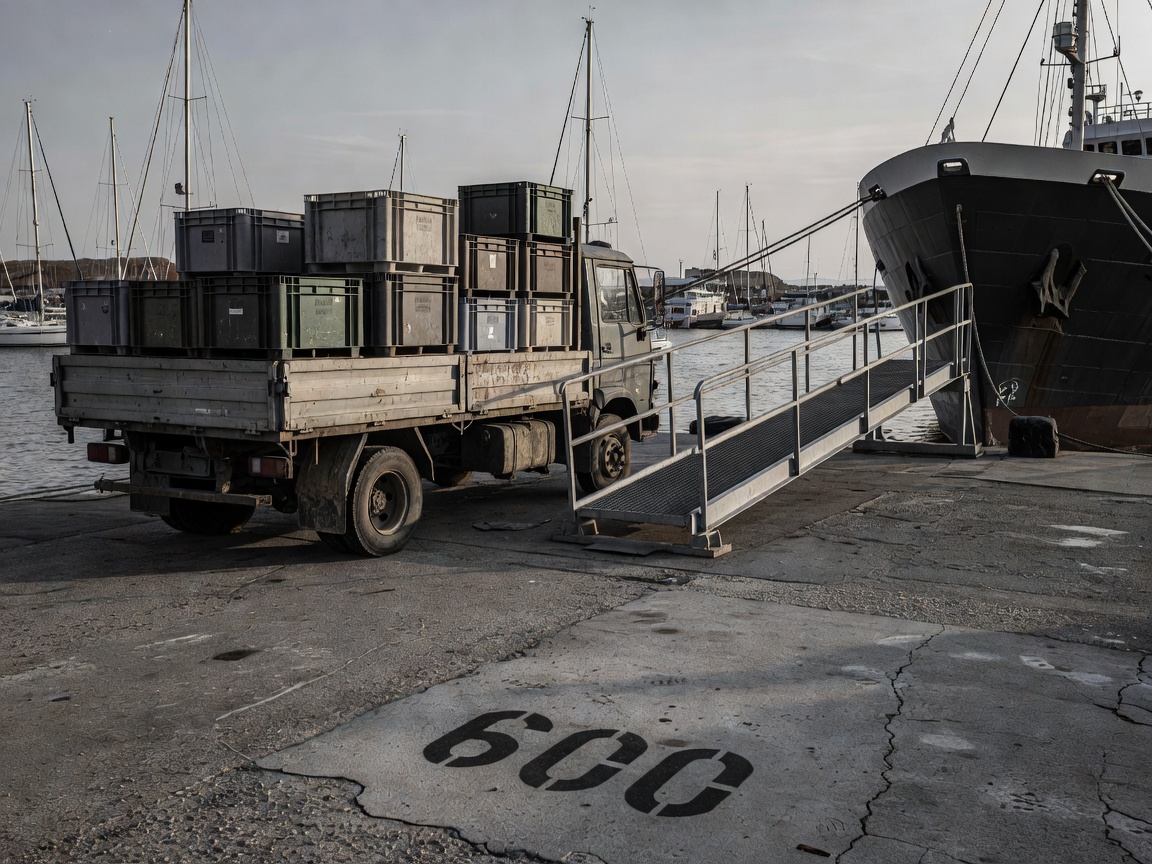
The Cruising Reality: Managing Multiple Overlapping Delivery Windows
In peak Mediterranean and Northern European charter seasons, berths are fiercely contested. Yachts often tie up for only three or four hours to take on fuel, disembark one party, take on provisions, and welcome the next charter group. If a florist, a butcher, a wine merchant, and a dry-goods supplier each arrive on separate schedules, the aft deck transforms into chaotic gridlock.
Logistics management solves this by consolidating disparate vendor streams into a single multi-zone refrigerated transport run:
Dual-Compartment Temperature Integrity
Chilled items must remain strictly between +2°C and +4°C, while frozen proteins stay at -18°C. Professional logistics vehicles feature calibrated data-logging sensors so that thermal history can be reviewed prior to shipboard stowage.
Marina Access & Port Captain Clearance
Many private European marinas (such as Monaco, Porto Cervo, Antibes, or Dubrovnik) restrict heavy vehicular access to narrow morning or evening windows. Pre-clearing vehicle registrations and driver IDs with the capitainerie avoids costly delays at the boom gate.
Tender & Anchor Logistics
When berths are fully booked and the yacht remains anchored off the bay, provisions must be transferred via chase boat or tender. Packaging must be stackable, splash-resistant, and easily lifted by hand over high freeboards.
Last-Minute Route Shifts
Weather is the ultimate master. A Force 7 mistral can force the captain to divert from Saint-Tropez to Villefranche overnight. Logistics teams must maintain flexible transport rerouting along European motorway networks.
Comparative Models: Single Consolidation vs. Multiple Direct Purveyors
Every chief stewardess or purser must evaluate the logistical tradeoffs before choosing how to organize port supplies:
| Criteria | Single Coordinated Consolidated Order | Multiple Specialist Orders |
|---|---|---|
| Delivery Timing | Single predetermined 45-minute window; all crew mobilized at once. | Scattered across the entire morning; crew constantly interrupted from cabin prep. |
| Packaging & Waste | Standardized reusable insulated totes, color-coded by ship compartment. | Disparate cardboard boxes, loose plastic bags, expanded polystyrene waste. |
| Accountability | One logistics coordinator accountable for every missing or damaged carton. | Multiple finger-pointing vendors when items arrive spoiled or missing. |
| Customs Documentation | Unified paperwork for cross-border transit between EU and non-EU waters (e.g. Montenegro, UK). | Multiple declarations, increasing risk of port customs inspection hold-ups. |
European Cross-Border Considerations & Customs Realities
Cruising European waters frequently means crossing between Schengen and non-Schengen zones, or crossing fiscal customs borders (for instance, leaving EU waters in Greece for Turkey, cruising between Italy and Montenegro, or entering British waters).
Regulatory Disclaimer: Regulations governing ship stores, duty-free bonded goods, and phytosanitary inspections vary across jurisdictions. General provisioning guidance cannot replace official customs declarations. Always confirm specific import limits, dairy/meat animal byproduct restrictions, and vessel store clearance rules with your local port agent and national maritime authorities prior to arrival.