Yacht Food Provisioning: Precision at Sea
Provisioning a superyacht galley requires balancing Michelin-grade culinary expectations with the immutable physical limits of walk-in fridges and rolling seas. It’s an art of calculating burn rates, respecting cold chains, and knowing exactly when to lean into local regional markets.
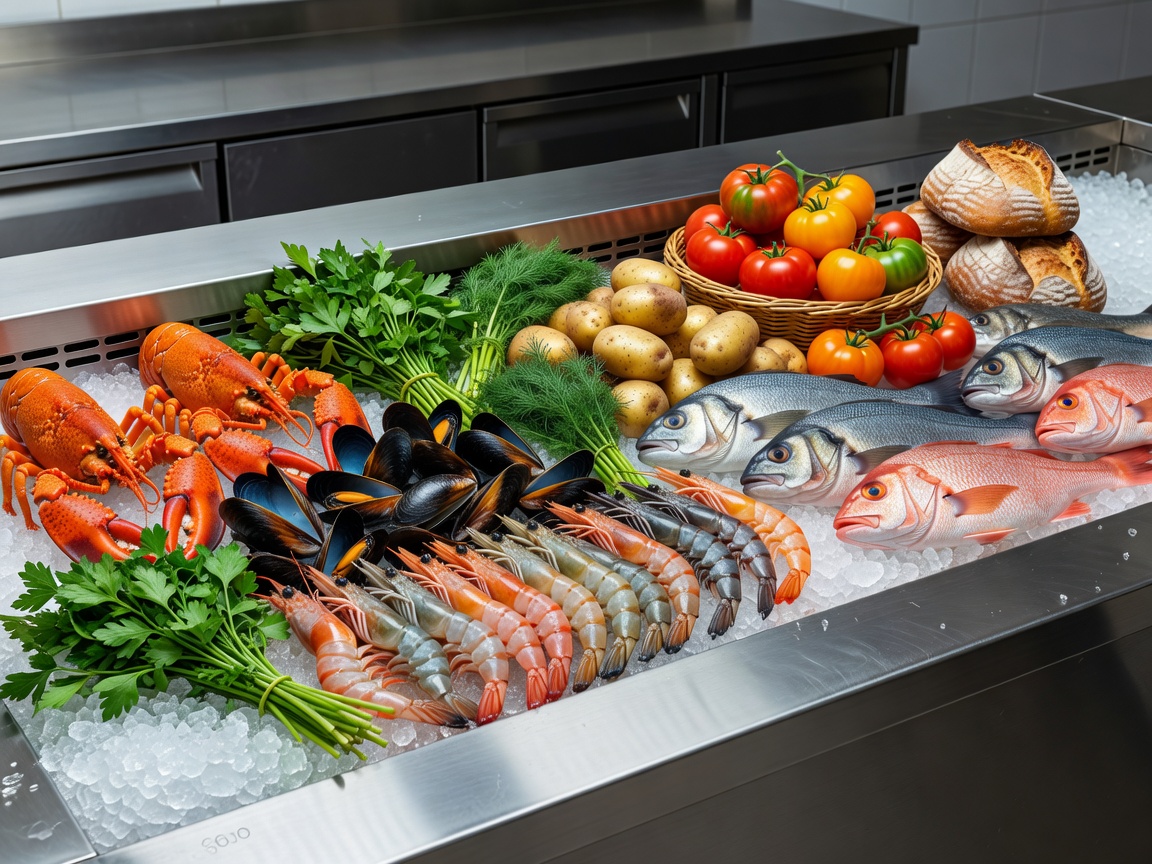
The Anatomy of an Onboard Food Manifest
When you're out at anchor off Corsica or navigating the Lofoten archipelago, you can’t simply nip to the corner grocer for missing tarragon. A successful food provisioning manifest categorizes items not just by culinary group, but by shelf life, thermal sensitivity, and rate of consumption.
Fresh & Ultra-Perishable
Berries, delicate microgreens, baby salad leaves, line-caught fish, and soft French cheeses. These demand constant 2°C to 4°C custody and should be consumed within the first 72 to 96 hours post-handover. Over-ordering fresh herbs is the quickest way to end up with black sludge in your vegetable crisper.
Chilled & Dry-Aged Proteins
Vacuum-sealed prime cuts (Wagyu, grain-fed Black Angus, Iberian pork), poultry, and charcuterie. Vacuum barriers extend life significantly, but temperature consistency is non-negotiable. Inspect every seal upon dockside receipt—a punctured cryovac bag is a food safety risk waiting to happen.
Specialty Pantry & Dry Staples
Flours, risottos, artisanal pastas, cold-pressed oils, rare vinegars, spices, and baking agents. These withstand passage vibrations and heat fluctuations better than fresh goods, serving as your dependable safety buffer during extended crossings or delayed port calls.
Deep Freeze & Prepared Base Stocks
Blast-frozen game, shellfish reserves, clarified demi-glace bases, and artisanal sorbets. Deep-freeze assets (-18°C or lower) require careful rotational planning to prevent freezer burn and guarantee that high-turnover items remain easily reachable at meal prep hours.
Quantity Planning: Guests vs. Crew Realities
A common trap in provisioning is treating the boat as one uniform appetite. It isn't. Guests dine on curated multi-course menus that might emphasize light ceviches, delicate carpaccios, and fine patisserie. Your deckhands, engineers, and stews, however, burn thousands of calories daily hauling fenders, scrubbing waterlines, and running non-stop service.
Crew nutrition requires hearty, protein-rich, and complex-carbohydrate meals that can be held hot or served in shifts. When projecting your provisioning weight:
- Guest allocations: Emphasize variety, visual perfection, premium cuts, and flexible substitutes for unpredictable charter guest whims.
- Crew allocations: Emphasize consistency, nutritional density, familiar comfort staples, and durable fruits (apples, citrus) that hold up over two-week passages.
- Safety reserves: Always plan a 20% dry and frozen buffer over the planned passage days in case weather forces you to hold outside a surge-bound harbor.
Provisioning Strategy: Pre-Planned Order vs. Flexible Replenishment
| Dimension | Detailed Pre-Planned Consolidation | Flexible Rolling Replenishment |
|---|---|---|
| Best Suited For | Long crossings, remote anchorages, peak season Mediterranean islands where local shops are emptied by midday. | Cruising well-connected coastal towns, short hops between major commercial ports with renowned local markets. |
| Galley Space Impact | Heavy demand on cold rooms; requires methodical tetris-style stacking and careful inventory logs. | Light footprint; fridges remain airy, allowing chefs to pivot daily menus on a whim. |
| Pricing & Budget | Predictable invoicing, bulk logistics rates, single delivery fee from quayside logistics. | Variable retail pricing, multiple delivery surcharges, vulnerable to tourist-season markups. |
| Risk Profile | Risk of spoilage if itinerary lengthens unexpectedly or guest plans shift radically. | Risk of regional stockouts, missing niche dietary brands, and port-side delays. |
Dietary Requirements & The Substitution Protocol
Today’s guest manifests frequently carry strict allergen constraints: celiac-safe gluten-free, dairy-free, keto, low-histamine, or strictly certified kosher and halal items. When you're out at sea, an unauthorized supplier substitution isn’t just an inconvenience; it can provoke a medical incident.
Establish clear written substitution rules with your provisioner before checkout:
- Strict No-Substitutions: For all allergen-specific foods (e.g. gluten-free flours, nut-free plant milks). If the exact brand is unavailable, the purveyor must contact the chief stew or chef before subbing.
- Grade-Equivalent Substitutions: For fresh seafood and produce (e.g. wild sea bass substituted for wild turbot of identical freshness), notify prior to quayside dispatch.
- Receipt Inspection: Always check crate temperatures with an infrared thermometer probe before signing the delivery manifest. Reject warm dairy or thawed frozen goods at the gangway.